A blood type bike sticker can provide useful supporting information, but it must never replace formal medical identification. Emergency teams follow their own assessment and testing procedures, so riders should treat the detail as optional rather than definitive.
A personalised decal can also carry a name, national flag and short emergency contact. Together, these details may help identify equipment and give responders a starting point when a rider cannot communicate.
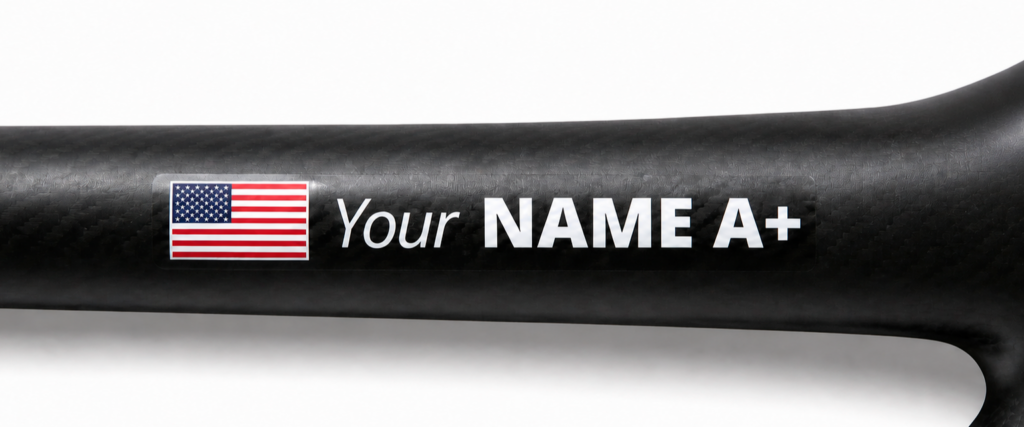
What information can a blood type bike sticker include?
First, include only information that you are comfortable displaying publicly. A first name and surname are common. You may then add a blood group, emergency phone number or a short medical alert when it is relevant.
- Name: helps identify the rider or bike.
- Emergency contact: use an international dialling code.
- Blood group: optional supporting information only.
- Medical alert: keep it short and unambiguous.
Privacy and safety come first
Do not publish a home address, date of birth or unnecessary personal data. Instead, use one trusted emergency contact and review the information regularly. If you have a serious condition, a recognised medical ID bracelet or service may be more
appropriate.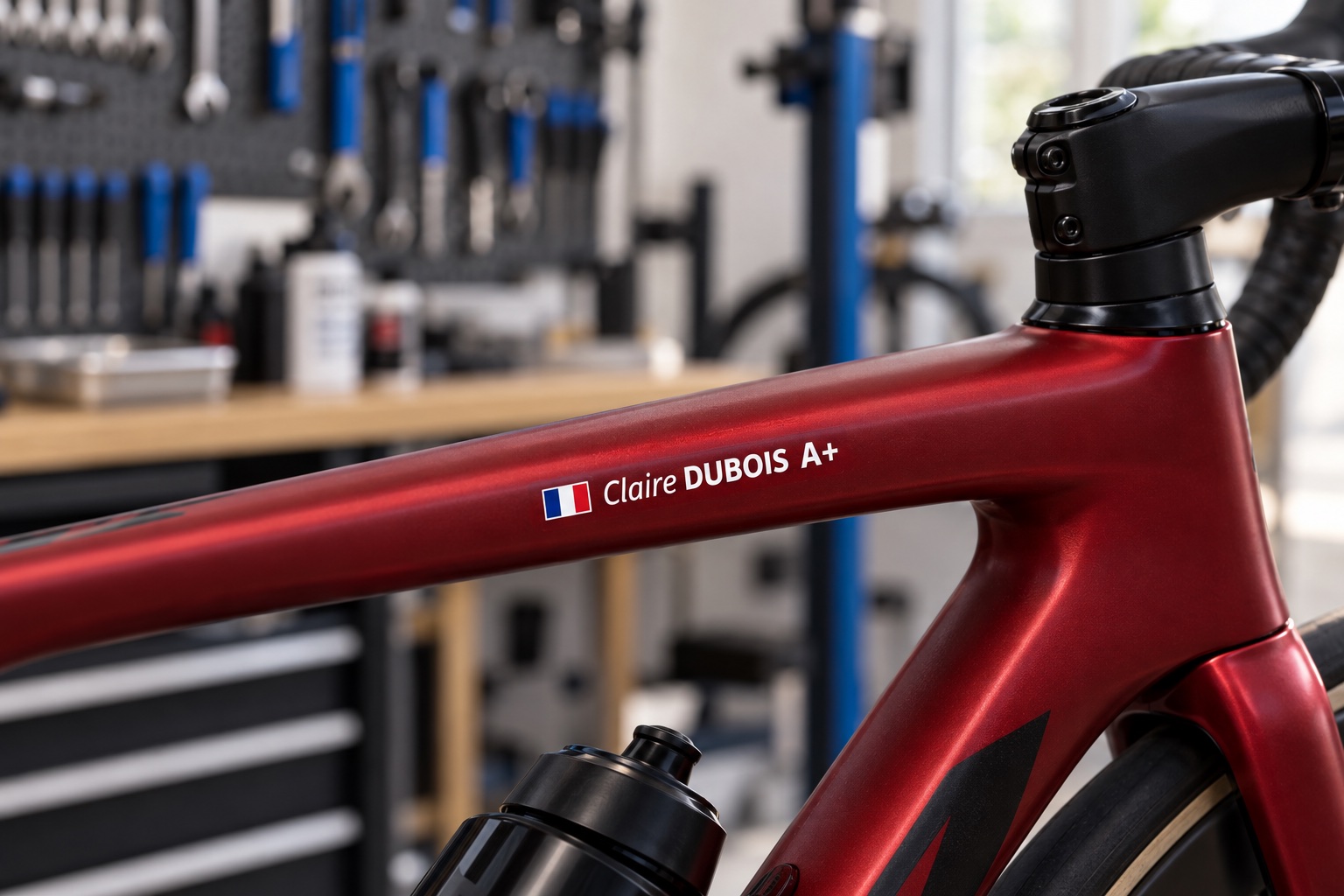 p;utm_campaign=PRODECALS&utm_content=blood-type-emergency-id-bike-sticker” style=”display:inline-block;background:#075CF6;color:#fff;padding:14px 22px;border-radius:8px;font-weight:800;text-decoration:none”>Create your personalised bike ID — use code PRODECALS for 15% off
Moreover, a printed blood group does not guarantee a specific treatment. Medical professionals will verify compatibility before a transfusion whenever circumstances allow.
Where to place the sticker
The top tube offers good visibility without interfering with the bike’s operation. A helmet or equipment case can carry a second copy, although you should avoid vents, safety labels and heavily curved sections.
Make the text easy to read
Use strong contrast and a simple layout. White lettering works on dark paint, while black lettering suits a light frame. Keep the emergency line separate from the decorative name-and-flag design so it can be understood quickly.
Apply the sticker to a clean, dry surface and press it down evenly. Our quality and durability guide explains materials, care and clean removal.
A useful detail, not a medical guarantee
In summary, emergency information can support identification and communication. However, it should form part of a wider safety plan that includes a phone emergency card, suitable insurance and recognised medical identification when needed.
Create a personalised bike sticker with the details you choose.
Create your pack