Paris-Roubaix Challenge 2027 is already open for priority pre-registration, giving amateur cyclists an early opportunity to secure access to one of the most distinctive cycling experiences in Europe.
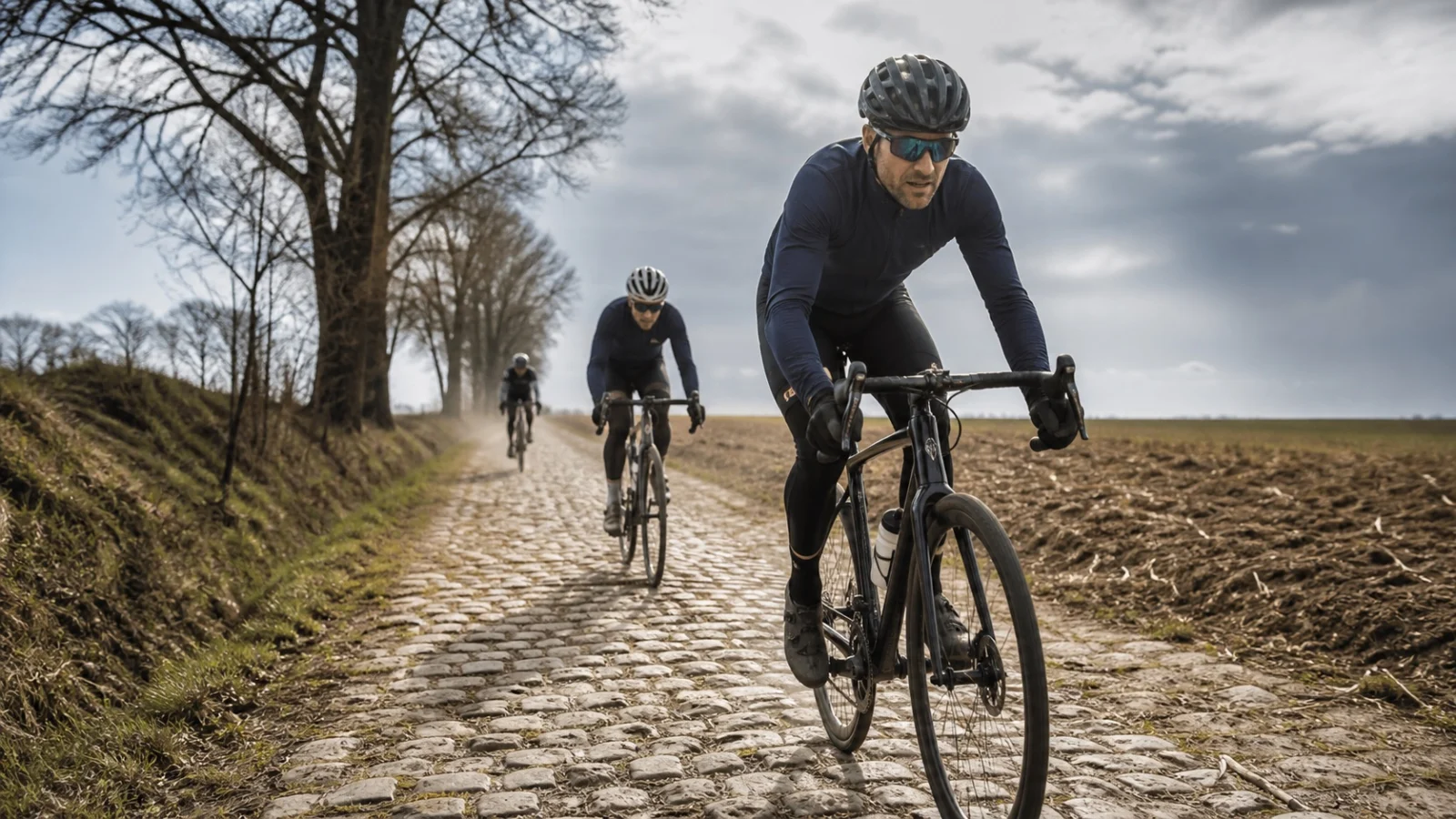
Held around the same weekend as the professional Paris–Roubaix races, the Challenge lets riders face the legendary cobbled sectors of northern France and finish with a lap of the Roubaix Velodrome.
The exact 2027 date, final routes and full entry conditions have not yet been announced. However, the organiser has confirmed that pre-registering now provides priority access when race numbers go on sale and can help riders obtain the best entry prices.
2027 status: priority pre-registration is open. The information below uses the latest official route structure as a planning reference; check the final 2027 regulations before booking travel or choosing equipment.
Paris–Roubaix Challenge 2027 Quick Facts
| Event | Paris–Roubaix Challenge 2027 |
|---|---|
| Country | France |
| 2027 date | TBC |
| Priority pre-registration | Open |
| Current route options | 70 km / 145 km / 170 km |
| Current cobbled sectors | 8 / 19 / 30 |
| Finish | Roubaix Velodrome |
| Timing | Challenge ride rather than a timed race |
| Roads | Open to traffic |
Is Paris–Roubaix Challenge 2027 Registration Open?
Full general registration has not yet opened, but the organiser is accepting priority pre-registrations for 2027.
According to the official announcement, pre-registered riders will receive priority access to the sale of race numbers and the opportunity to secure the best available rates.
Use the official Paris–Roubaix Challenge 2027 pre-registration page. This is the only external event link needed in this guide; we will update the article when the organiser publishes the date, prices and final rules.
Pre-registering is not the same as completing a paid entry. Read every email from the organiser and act within the priority window when bib sales open.
When Is the Paris–Roubaix Challenge 2027?
The official 2027 event date has not yet been published.
The Challenge normally takes place during the Paris–Roubaix weekend, allowing amateur riders to tackle the cobbles shortly before watching the professional races. That tradition is useful for planning, but it should not be used to invent a precise date.
Wait for the organiser’s confirmation before purchasing non-refundable travel or accommodation.
Paris–Roubaix Challenge Route Options
The latest official event structure offers three routes. These distances and sector counts are a strong preparation reference but are not yet guaranteed for 2027.
Discovery — 70 km and 8 cobbled sectors
The Discovery route provides the most accessible introduction to the event. Seventy kilometres is manageable for many regular cyclists, but eight cobbled sectors make it very different from an ordinary road sportive.
This route suits riders who want the Roubaix atmosphere and velodrome finish without committing to an entire day of repeated pavé.
Legendary — 145 km and 19 cobbled sectors
The middle distance moves much closer to the full Paris–Roubaix experience. The current route includes 19 sectors and traditionally incorporates famous cobbles such as the Trouée d’Arenberg.
For many experienced amateurs, 145 km offers the best balance: a serious endurance event with iconic sectors, but less mechanical and physical exposure than the longest route.
Hell of the North — 170 km and 30 cobbled sectors
The headline route currently includes all 30 cobbled sectors used by the Challenge and around 50 kilometres of pavé.
The organiser describes it as suitable only for experienced cyclists and publishes minimum average-speed expectations for road and cobbled sections. This is not a route to choose simply because it is the longest.
You need endurance, confident bike handling and enough upper-body durability to control the bicycle after hours of vibration.
Which Paris–Roubaix Challenge Route Should You Choose?
Choose according to your ability on rough surfaces, not only your longest normal road ride.
- The 70 km route suits a first cobbled event or a rider whose main goal is the experience.
- Experienced riders with strong endurance can choose 145 km to tackle many of the most famous sectors.
- Reserve the 170 km route for riders comfortable with long distances, repeated pavé and the organiser’s pace requirements.
A shorter route completed safely and strongly is a better decision than reaching the later sectors with no ability to control the bike.
What Are the Paris–Roubaix Cobbles Like?
Paris–Roubaix pavé is not decorative town-centre cobblestone. The most difficult sectors are irregular farm roads with gaps, edges, mud, dust and a pronounced crown.
On this terrain, the surface constantly tries to move the front wheel away from your chosen line. Vibration also travels through your hands, arms, shoulders and neck.
Conditions change the experience. Dry cobbles can be dusty and loose; wet cobbles can become slippery, muddy and much more technical.
Trouée d’Arenberg
Arenberg is one of cycling’s most recognisable sectors. Its brutal stones and straight-line perspective create an unforgettable atmosphere, but the safest approach is controlled rather than theatrical.
Look ahead, maintain momentum and avoid sudden movements. Leave enough space to react if another rider changes line or stops.
Carrefour de l’Arbre
Carrefour de l’Arbre is another decisive name in professional Paris–Roubaix. In the Challenge, it arrives when fatigue and vibration have already accumulated.
Your handling here depends as much on pacing and fuelling earlier in the ride as it does on technique.
Best Bike Setup for Paris–Roubaix Challenge
You do not need a replica professional race bike. You need a reliable bicycle that fits you, offers adequate tyre clearance and has been thoroughly tested.
Tyres and pressure
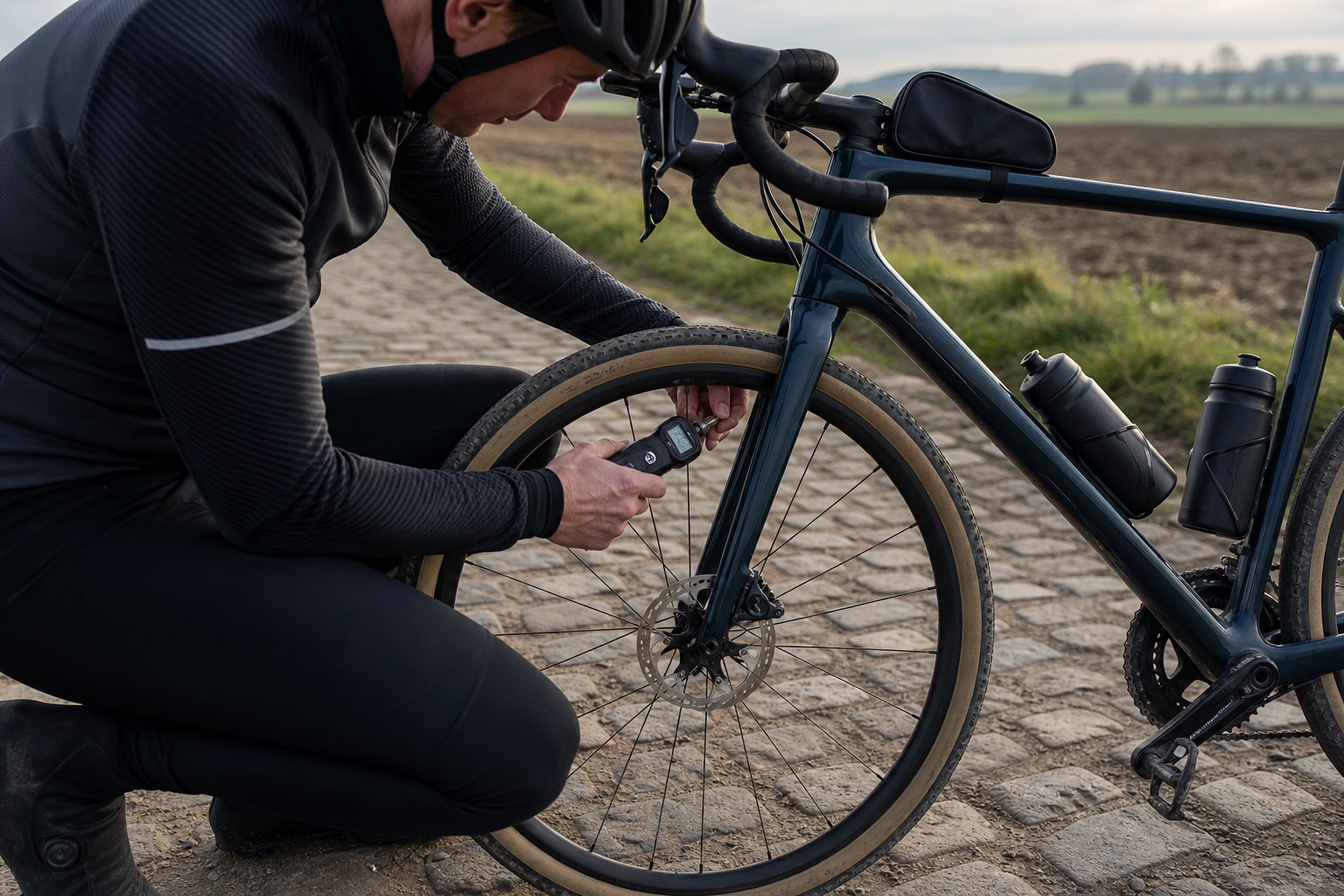
Wider tyres generally provide more comfort, grip and control on rough cobbles. The exact width and pressure depend on rider weight, tyre construction, rim width, weather and the bike’s clearance.
Do not copy a pressure from another rider without testing it. Too much pressure reduces comfort and grip; too little can increase the risk of rim strikes, burping or pinch punctures.
Tubeless or inner tubes?
Both can work when prepared correctly. A proven tubeless setup may reduce some puncture risks, while familiar inner tubes remain simple to repair.
Whichever system you choose, carry the repair equipment the organiser requires and practise using it before travelling.
Handlebar tape and gloves
The official rules recommend using extra handlebar tape and wearing gloves. The objective is not simply comfort: reducing hand fatigue helps you retain control and braking ability later in the ride.
Bolts, bottles and accessories
Cobbles expose anything that is loose.
- Check bottle cages and use bottles that fit securely.
- Confirm computer, light and camera mounts cannot rotate or detach.
- Inspect saddle, seatpost and stem bolts to the correct torque.
- Secure pumps, bags and repair kits.
- Test the complete setup on rough roads before the event.
Before applying any frame decals, follow our bike sticker application and removal guide.
Your Name. Your Flag. On Your Bike.
Personalise your bike before the cobbles and make it easier to recognise at the start, hotel and velodrome.
How to Ride Cobbles More Safely
- Look well ahead instead of staring directly in front of the wheel.
- Keep a relaxed but secure grip.
- Maintain useful momentum without riding beyond your control.
- Avoid sudden braking or steering corrections.
- Give other riders more space than you would on smooth roads.
- Use the line that is safest for the conditions, not necessarily the line another cyclist selects.
- Respect traffic and the rules of the road at all times.
Paris–Roubaix Challenge uses roads open to traffic. It is a challenge ride, not a closed-road race, so traffic lights, junctions, right of way and French road law still apply.
Training for Paris–Roubaix Challenge 2027
Build road endurance first
Develop the ability to ride your chosen distance comfortably before adding too much rough-surface work. The long routes still include many kilometres of normal road.
Practise on rough surfaces
Use safe, low-traffic roads with imperfect surfaces to practise relaxing the upper body and holding a line. Gravel can help develop confidence, but it is not identical to northern French pavé.
Strengthen hands, arms and core
A stable torso and durable upper body reduce unnecessary movement. You do not need bodybuilding workouts; consistent core, shoulder and grip work can make long cobbled sectors less exhausting.
Train when already fatigued
Include controlled rough-surface sections later in selected long rides. Technique that feels easy when fresh becomes harder after several hours.
Practise eating and drinking
Eating on cobbles is difficult. Use the smoother sections to refuel before hunger or dehydration affects concentration.
Travel and Start Logistics
The latest event structure uses different starts depending on distance. The 170 km ride has traditionally started in Busigny, while the 145 km and 70 km routes have started from the Roubaix sports complex.
All routes finish with a lap of the Roubaix Velodrome.
If the long route again uses Busigny in 2027, riders may need to reserve an early shuttle and arrange bike transport. Wait for the final 2027 practical guide before relying on previous schedules.
Label your bike, wheel bags and luggage clearly. Our guide to identifying your bike at a cycling event explains how to reduce confusion in crowded storage and transport areas.
Paris–Roubaix Challenge Bike Checklist
- Registration or priority access confirmed
- Final route and start location checked
- Accommodation and transport confirmed
- Tyres, pressure and wheel setup tested
- Brake pads and drivetrain inspected
- Bottle cages and accessories secured
- Helmet and gloves packed
- Two inner tubes or the required tubeless/tubular repair system
- Pump and basic tools
- Charged mobile phone
- Weather-specific clothing
- Bike and travel equipment clearly labelled
Paris–Roubaix or an Alpine Gran Fondo?
Paris–Roubaix Challenge is less about climbing and more about surface, handling, vibration and cycling history.
If your ideal event is built around mountains, compare it with our Marmotte Alpes 2027 guide or L’Étape du Tour 2027 guide.
For a broader comparison, browse the best cycling events of 2027.
Frequently Asked Questions
Is Paris–Roubaix Challenge 2027 registration open?
Priority pre-registration is open. It gives riders early access when bib sales begin, but it is not yet the final paid registration.
When is Paris–Roubaix Challenge 2027?
The exact 2027 date has not yet been officially announced.
How long is Paris–Roubaix Challenge?
The latest official structure offers approximately 70 km, 145 km and 170 km routes. Final 2027 distances remain subject to confirmation.
How many cobbled sectors are there?
The current routes contain 8, 19 or 30 cobbled sectors depending on distance.
Is Paris–Roubaix Challenge timed?
The latest event information describes it as an untimed challenge ride. A medical certificate was therefore not required for the most recent edition, but riders must check the final 2027 rules.
Are the roads closed?
No. The Challenge takes place on roads open to traffic, and participants must follow the French Highway Code.
Preparing to face the Hell of the North?
Personalise your bike with your name and flag at Pegatin.com →