Scandinavia hosts major mass-participation cycling events, from a night ride around a Swedish lake to Norwegian mountain biking and long-distance road challenges. Their distances, conditions and strong club culture make preparation essential.
If you ride in Sweden or Norway, or you’re planning a trip there, these are the three that define the calendar.
Vätternrundan (Sweden) — the world’s largest recreational ride
The organiser describes Vätternrundan as the world’s largest recreational cycling challenge. Its 2026 pre-event figures distinguished around 29,000 participants across the cycling week from around 20,000 for the 315 km ride; these are not the same audience count.
The format is unlike anything else. It’s a 315 km clockwise loop all the way around Lake Vättern, starting and finishing in the town of Motala. It isn’t a race — it’s a challenge, and one that takes most riders straight through the night. The first group sets off at 7:30 on Friday evening and spends several hours riding in darkness, which means a good chunk of the field watches the sun come up somewhere along the lake.
Vätternrundan is also the cycling leg of En Svensk Klassiker, the Swedish challenge combining skiing, cycling, swimming and running within twelve months. This tradition helps explain its place in Swedish cycling culture.
What it means for your bike: thousands of riders share bike parking, feed stations and rest stops. Over 315 km you will stop repeatedly, sometimes in darkness and among similar bikes. A name on the top tube can make yours easier to recognise.
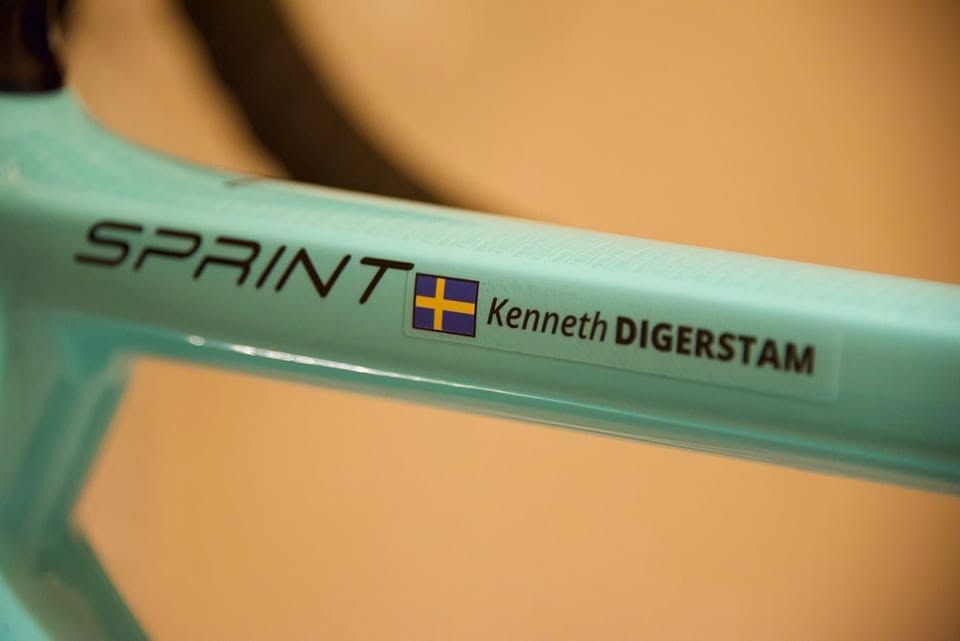
Personalise your bike for your next event — use code EVENT15 for 15% off
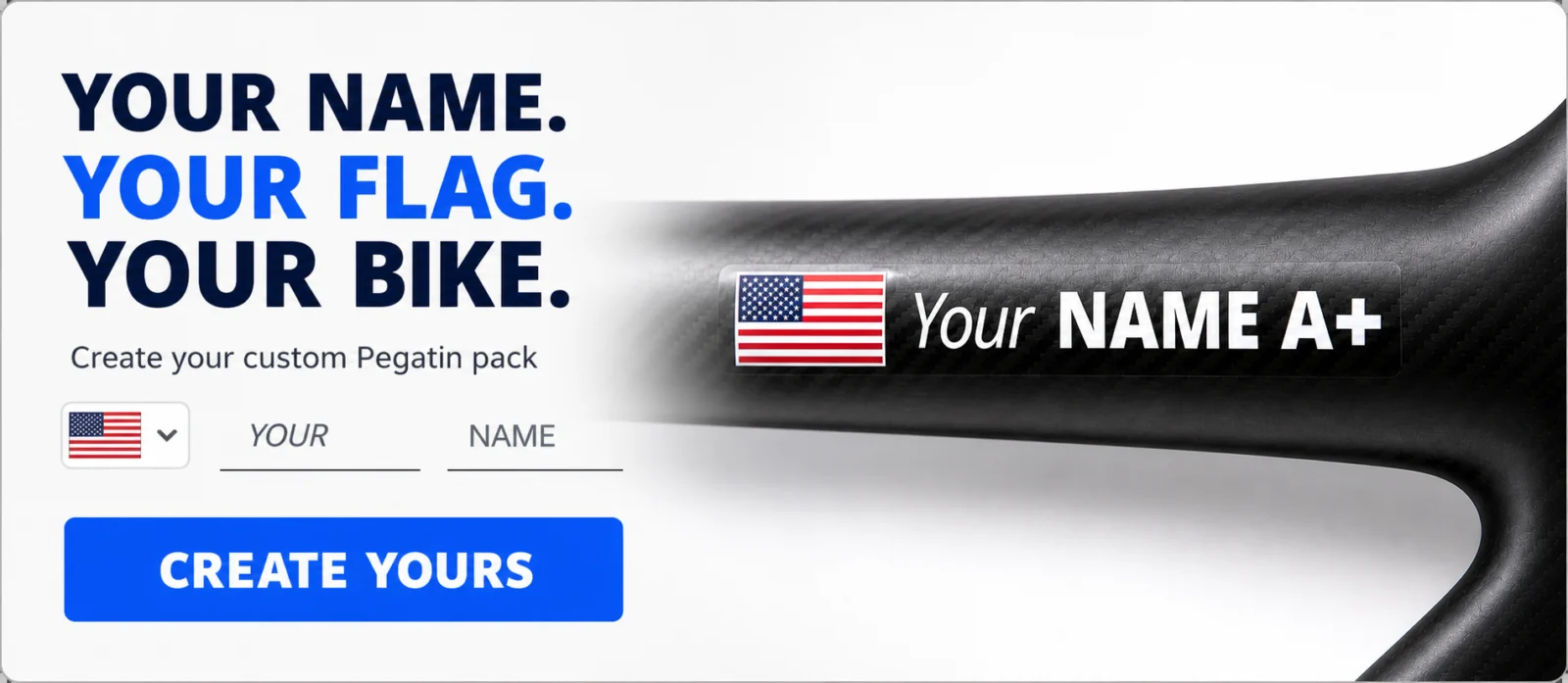
Make your bike easier to identify and give it a clean professional look.
Birkebeinerrittet (Norway) — a major Nordic MTB challenge
Birkebeinerrittet is one of the best-known Nordic mountain bike events. The organiser’s history records a peak of about 17,000 entrants; this historical maximum should not be treated as today’s annual field.
The current main route is 84 km from Rena to Håkons Hall in Lillehammer, through mountain, forest and valley terrain. Another distinctive feature is the backpack requirement.
The event recalls the rescue of the young Prince Haakon across the mountains in 1206. The current rule requires a backpack weighing at least 2 kg throughout the race, including required clothing, tools and food. It replaced the former 3.5 kg requirement in June 2026; always check the current official rules before travelling.
UltraBirken offers a more technical mountain bike challenge from Pellestova towards Lillehammer. Its route can change: use the organiser’s current route information and GPX rather than assuming a previous edition’s distance.
What it means for your bike: mud, rain and grit make preparation and careful cleaning important. Avoid directing high-pressure water at adhesive edges. Bike transport between Rena and Lillehammer is another situation where a visible name on the frame can help identify your equipment.
Styrkeprøven (Norway) — the strength test
Styrkeprøven means “the strength test”. Its Trondheim–Oslo challenge began in 1967 and remains a major Norwegian endurance ride, with shorter starting options for riders who want a different distance.
The current Trondheim–Oslo route is listed at 515 km. It crosses the Dovrefjell area in midsummer and demands planning for food, clothing, lights and changes in weather. Always check the guide and route for your edition; historic descriptions of 540 km are not the current distance.
Completing Trondheim–Oslo is an important endurance achievement for many Scandinavian riders and clubs. Shorter options from Lillehammer and Eidsvoll are part of the event, but each has its own route and requirements.
What it means for your bike: a 515 km ride exposes your equipment to long hours on the road, sunshine, rain and mountain weather. Check the bicycle and any attached accessories before the start.
Why so many Nordic riders personalise their bikes
There’s a pattern across all three events: enormous fields, long distances, and a deep club culture. Add those together and you get the two reasons riders here add a name-and-flag sticker.
Finding your bike. At a Vätternrundan rest stop at 3 a.m., or in the bike corral at Lillehammer with thousands of others, “mine’s the black one” doesn’t narrow anything down.
Club identity. Nordic cycling runs on clubs, and these events are club trips as much as individual ones. A matching set across the group looks sharp at the start and makes life easier all weekend — our guide on matching stickers for a club or team covers how to organise a group order.
Cold starts, rain, road grit and mud are relevant to decal care, not just design. Clean gently and follow the surface manufacturer’s guidance. Our guide explains sticker durability and care.
If you’re riding one of these
A few things worth sorting well before the event, whichever you’re targeting:
- Personalise the bike weeks in advance, not the night before. A sticker needs a clean, dry surface and unhurried application — see our application guide.
- Think about the flag. Choose from the flags currently available in the configurator, whether it represents your country, region or a personal connection.
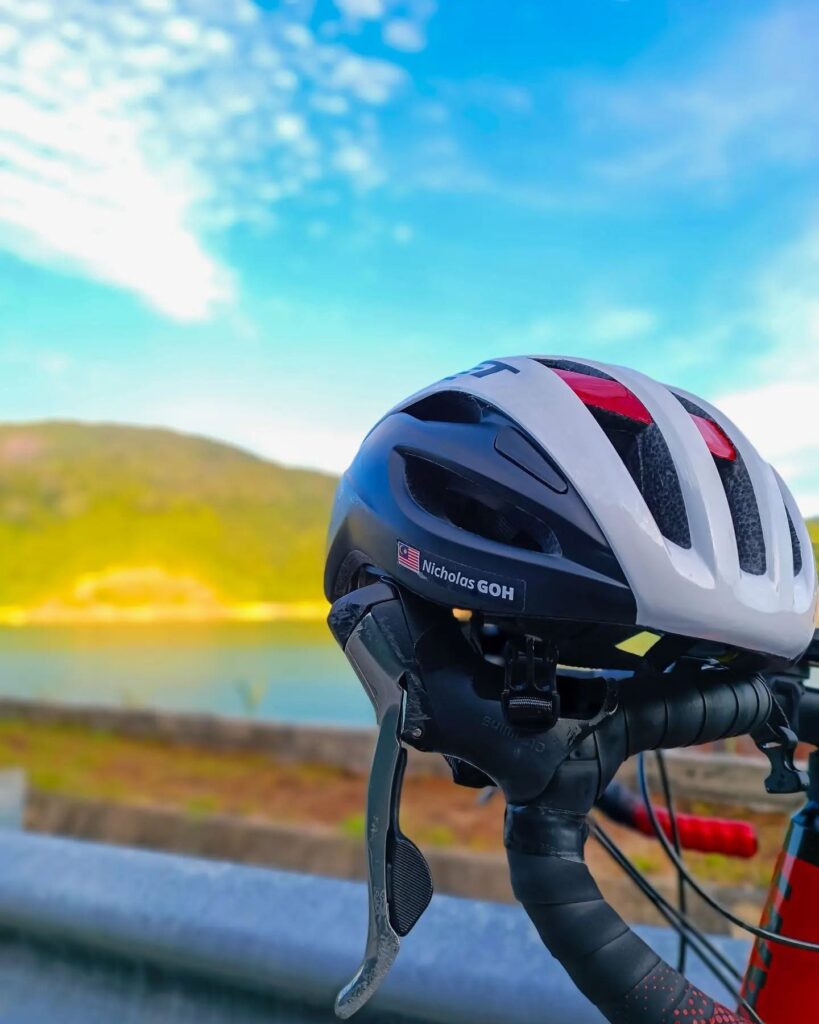
- Consider the helmet too, especially when the bike is transported separately. Only apply markings where the helmet manufacturer permits them.
The short version
Scandinavia offers major recreational rides, mountain bike events and endurance challenges, with very different distances and conditions. Prepare for your chosen event and make your equipment easier to recognise among other riders’ bikes.
Planning a wider international season? Compare confirmed and expected gran fondos and sportives in our 2027 cycling events calendar.
Personalise your bike for your next event — use code EVENT15 for 15% off
For the next edition, confirm dates, routes and rules with the organisers: Vätternrundan, Birken and Styrkeprøven.
Order well in advance: production and delivery take time. Check the current estimate for your destination.