A new bike frame never stays perfect forever.
Road debris, cables, shoes, the chain, transport straps and even everyday cleaning can gradually leave scratches and scuffs on a bicycle frame.
The good news is that many of these marks are preventable.
Whether you ride a road bike, gravel bike or mountain bike, a few simple precautions can help protect the paint and keep your frame looking cleaner for longer.
Here are eight practical ways to protect your bike frame from scratches and everyday wear.
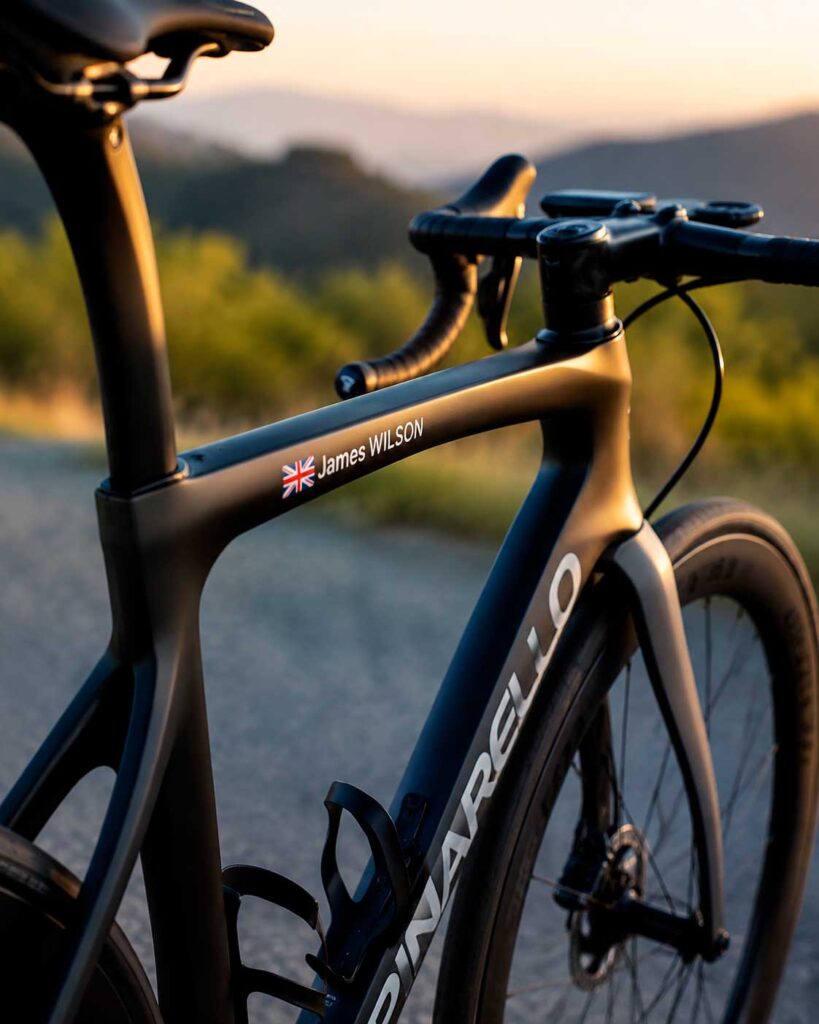
1. Identify the High-Risk Areas First
Not every part of your bike is equally exposed to damage.
Before adding any protection, inspect the areas where something repeatedly touches or approaches the frame.
Pay particular attention to:
- the down tube
- drive-side chainstay
- head tube
- top tube
- seatstays
- areas where cables or hoses contact the frame
- places touched by transport straps or bike racks
- areas where frame bags contact the paint
These are common locations for cable rub, chain slap, stone chips and repeated abrasion.
Finding the contact points before they become visible scratches is much easier than trying to repair the finish afterwards.
2. Protect the Frame From Cable Rub
Cable and hose movement can gradually mark the paint where they touch the frame.
The effect may seem insignificant at first, but repeated friction in exactly the same location can eventually wear through the finish.
Inspect the bike around the head tube and other cable-contact areas.
Where appropriate, a small piece of clear frame protection film or a purpose-made protective patch can create a barrier between the cable housing and the paint.
The objective isn’t to cover the bike.
It’s to protect the exact places where repeated contact occurs.
3. Protect the Chainstay From Chain Slap
The drive-side chainstay is one of the most vulnerable parts of many bikes.
When riding over uneven surfaces, the chain can move and strike the chainstay repeatedly. This is particularly common on mountain bikes and gravel bikes, although any bicycle can experience chain contact.
A dedicated chainstay protector can help protect the finish while also reducing some of the noise associated with chain slap.
Some modern bikes already include integrated protection. If yours does, inspect it periodically to make sure it remains securely positioned and undamaged.
4. Consider Clear Bike Frame Protection Film
Clear frame protection film can be useful in areas particularly vulnerable to scratches, chips and abrasion.
Instead of covering the entire bicycle, you can protect selected high-wear zones such as:
- underside of the down tube
- chainstays
- cable-contact points
- areas exposed to shoe rub
- frame-bag contact areas
For riders using mountain bikes or gravel bikes on loose surfaces, the down tube is particularly exposed to debris thrown up by the front wheel.
A correctly installed transparent film can protect these areas while allowing the original frame colour and graphics to remain visible.
5. Be Careful When Transporting Your Bike
Some frame damage happens when the bicycle isn’t being ridden at all.
Bike racks, car carriers, straps and poorly packed bikes can create pressure or repeated rubbing against the frame.
Before transporting your bicycle, check every point where the bike contacts the rack or where a strap touches a frame tube.
Keep contact areas clean. Dirt trapped between a strap and the paint can act as an abrasive when the bike vibrates during transport.
Always follow the instructions supplied with your bike and transport system, particularly when transporting a carbon bicycle.
6. Keep Contact Areas Clean
Dirt doesn’t just make a bicycle look bad.
Dust, sand and grit trapped between two surfaces can become abrasive.
This matters particularly around:
- cables
- straps
- frame bags
- protective films
- bottle cages
- bike racks
Regularly clean these areas rather than allowing dirt to accumulate.
When washing your bike, use appropriate cleaning products and soft materials rather than aggressive abrasives.
A clean frame is also easier to inspect, making small marks or potential problems easier to notice.
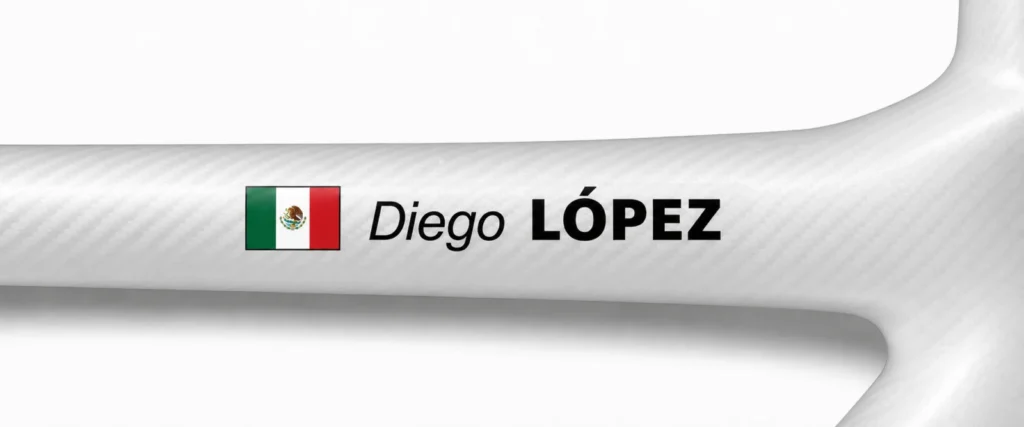
7. Choose Sticker Placement Carefully
Personalized stickers can give a bicycle an individual identity without covering the original frame design, but placement still matters.
Choose a clean, smooth area away from constant friction, moving components and locations exposed to repeated impacts.
If you’re adding your name and national flag, the top tube is often a clean and visible location on road bikes when the frame design allows it.
For more detailed guidance, see where NOT to put bike stickers before choosing the final position.
And if you want to know how to install or remove them correctly, read our guide to applying and removing bicycle stickers.
8. Inspect Your Frame Regularly
Frame protection isn’t something you do once and forget.
Periodically inspect:
- protective films
- chainstay guards
- cable-contact areas
- transport contact points
- high-impact areas
- existing scratches or chips
Replace protective material if it becomes damaged, displaced or badly worn.
Regular inspection is especially important because a cosmetic mark and structural damage are not the same thing.
If you suspect that a frame — particularly a carbon frame — may have suffered structural damage after an impact or crash, stop riding it and have it inspected by a qualified bicycle professional or follow the bicycle manufacturer’s instructions.
How to Protect a Carbon Bike Frame From Scratches
Carbon bicycles deserve the same protection from everyday cosmetic wear as other high-quality frames, but they also require appropriate handling.
Cable rub, debris, transport contact and abrasion can all affect the painted or finished surface.
Protect high-contact areas where appropriate, keep the frame clean and follow the manufacturer’s recommendations when using racks, work stands, trainers or other equipment that contacts the bicycle.
Most importantly, don’t assume that every mark on a carbon frame is merely cosmetic.
If you’re unsure about damage following an impact, crash or other incident, have the bicycle professionally inspected before continuing to ride.
If your concern is specifically about adhesives rather than impact damage, we’ve covered that separately in Do Stickers Damage Your Carbon Frame?.
Can You Put Stickers on a Carbon Bike Frame?
A sticker and a protective frame film serve different purposes.
Frame protection film can help reduce cosmetic abrasion and minor surface marks in vulnerable areas; it does not guarantee protection against impacts or structural damage. Check the bicycle manufacturer’s instructions and the film’s compatibility with the finish.
A personalized sticker is primarily an identification or decorative element.
If you want to personalize a carbon bicycle, always consider the frame manufacturer’s care instructions, the surface finish and the adhesive product being used.
Our dedicated carbon-frame guide explains this question in more detail rather than duplicating it here.
Make your bike easier to identify and give it a clean professional look.
Where Should You Protect a Bike Frame?
Start with the areas that experience the most contact.
For many bikes, that means the down tube, chainstay and cable-contact areas.
But the ideal protection depends on how you ride.
A road bike may experience cable rub, transport marks and shoe scuffs.
A gravel bike adds loose stones, dust and frame-bag abrasion.
A mountain bike can face considerably more debris, chain slap and trail impacts.
Instead of automatically covering every centimetre of the frame, inspect your own bicycle and protect the areas actually exposed to wear.
Does Frame Protection Ruin the Look of a Bike?
It doesn’t have to.
Clear protection can be almost visually unobtrusive when properly selected and installed, while small personalized details can complement rather than dominate the bicycle’s design.
The same principle applies to both protection and personalization:
less is often more.
Protect the vulnerable areas and leave the rest of the frame’s original design visible.
If maintaining a clean appearance is important to you, our guide to personalizing a road bike without ruining its original look explores that idea in more detail.
Protect the Bike — Keep Its Character
Scratches are part of using a bicycle, and no practical protection can guarantee that a bike will remain perfect forever.
But many common marks are avoidable.
Identify high-risk areas, prevent repeated rubbing, protect vulnerable surfaces, transport the bike carefully and inspect it regularly.
Then personalize only where it makes sense.
That approach helps preserve the original character of the bicycle while still allowing it to become unmistakably yours.
Protect Your Bike — And Make It Yours
Protecting your frame doesn’t mean hiding its design. Once the bike is clean and protected, a small personalized name-and-flag sticker is an easy way to make it unmistakably yours without covering the original graphics. It’s the same subtle detail seen on professional race bikes.
Want to add your own identity without overwhelming the frame? Create your personalized name and flag stickers and give your bike a clean, professional finishing touch.
Create your personalised bike name and flag stickers — use code PRODECALS for 15% off
Order well before your ride or event: production and delivery take time. Check the current estimate for your destination.