Ryder Hesjedal’s Tour de Victoria is one of Canada’s major mass-participation cycling events, bringing riders together for a spectacular day of cycling around Victoria, British Columbia.
The official home page announces the next Tour de Victoria for 14 August 2027. However, the course information currently available describes the edition held on 15 August 2026, with eight main distances starting and finishing around Victoria’s Inner Harbour. Treat those routes as a reference, not confirmation of the 2027 courses.
The longest option is officially presented as the 160 km ride, with an actual distance of approximately 155 km.
The routes combine waterfront roads, rolling countryside and some of the most scenic cycling terrain around Greater Victoria.
Whether you’re targeting the longest route or one of the shorter distances, this guide covers the training, bike setup and preparation you should consider before riding the Tour de Victoria.
Your Name. Your Flag. On Your Bike.
CREATE YOUR PERSONALISED BIKE NAME STICKERS →
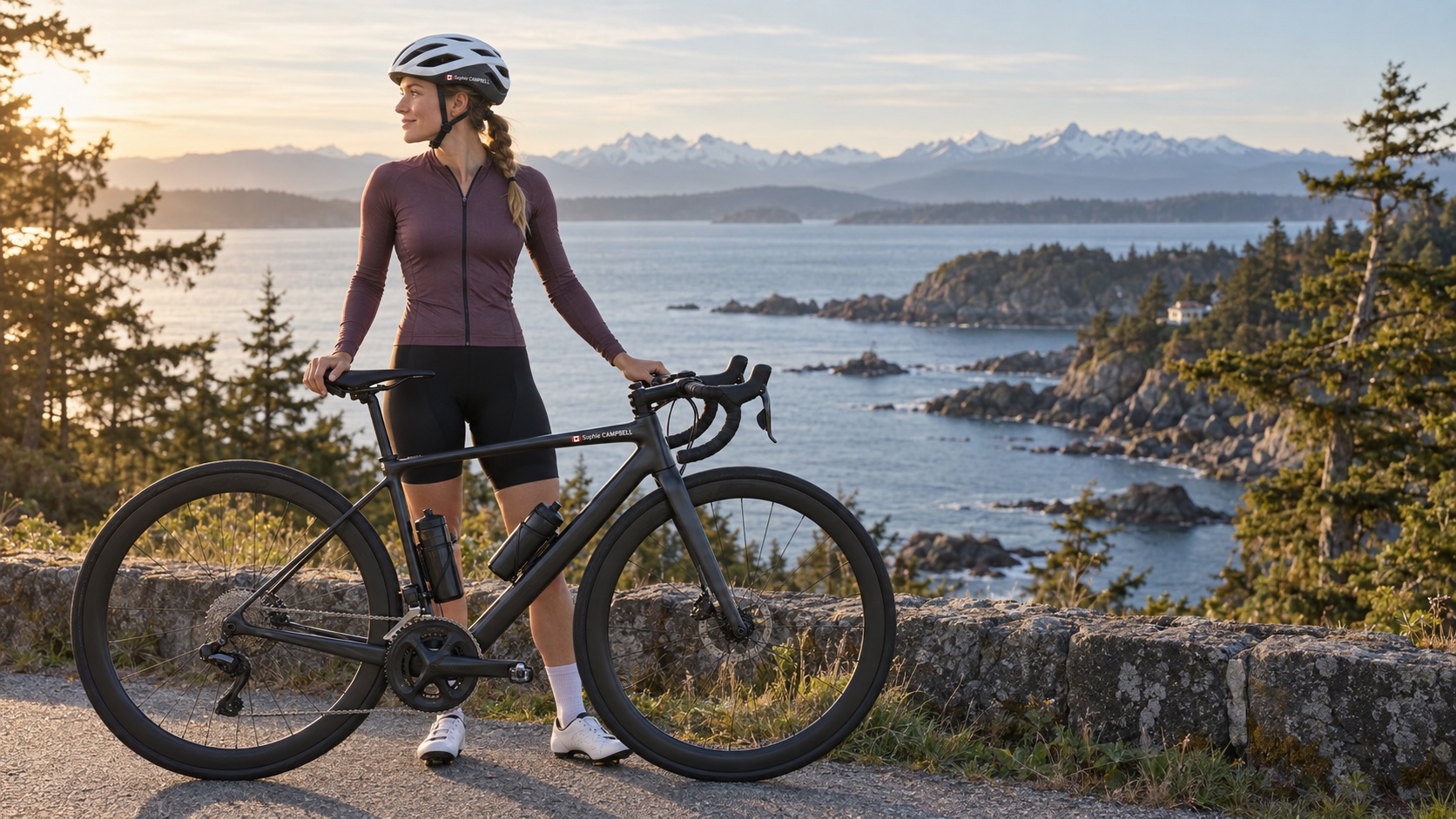
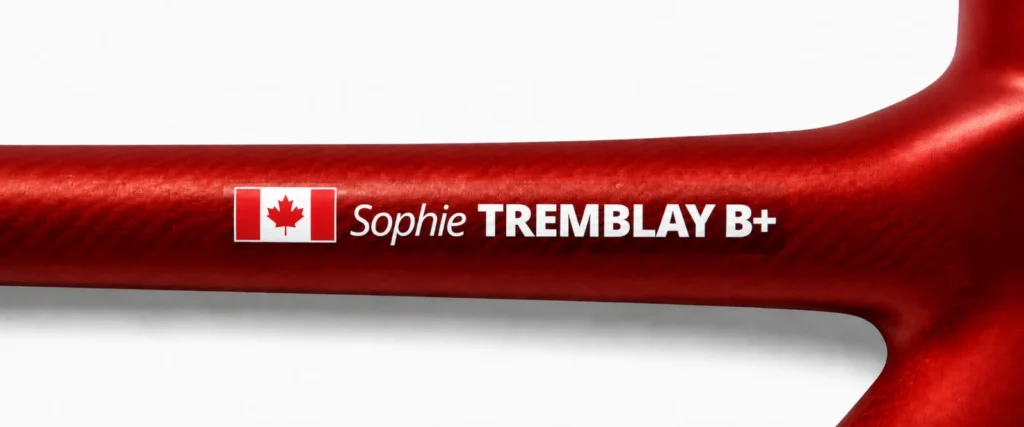 Personalise your bike for your next event — use code EVENT25 for 25% off
What Is Ryder Hesjedal’s Tour de Victoria?
The Tour de Victoria is a traffic-controlled, fully supported cycling event held in Victoria, British Columbia.
It is a ride rather than a race, with cyclists able to select a distance appropriate for their fitness and experience.
All routes start and finish around Victoria’s Inner Harbour and the British Columbia Legislative Buildings. Ryder Hesjedal’s Tour de Victoria
The event includes traffic control, aid stations, timing, medical assistance and mechanical support. Ryder Hesjedal’s Tour de Victoria
That makes it accessible to a wide range of cyclists while still providing challenging options for experienced riders.
Make your bike easier to identify and give it a clean professional look.

Tour de Victoria Routes
One of the biggest advantages of the Tour de Victoria is the variety of distances.
The published 2026 route information includes eight main distances, from approximately 15 km to the headline 160 km option. Confirm the routes for your own edition before entering.
The longest routes include:
160 km — approximately 155 km actual distance
140 km — approximately 133 km actual distance
100 km — approximately 95 km actual distance
There are also shorter 80 km, 60 km, 45 km, 30 km and 15 km options.
Because routes can be updated between editions, always check the official course information before planning your ride. Ryder Hesjedal’s Tour de Victoria
Choosing Your Tour de Victoria Distance
Choosing the right distance isn’t about selecting the biggest number.
It’s about choosing the challenge that matches your preparation.
160 km
The headline route is designed for experienced cyclists comfortable spending many hours on the bike.
The distance itself is demanding, but accumulated climbing, group riding and fatigue make preparation particularly important.
140 km
The 140 km option still provides a substantial endurance challenge.
It’s an attractive alternative for cyclists who want a long day without committing to the complete 160 km experience.
100 km
For many amateur cyclists, approximately 100 km represents the ideal balance.
It’s long enough to require proper preparation while remaining achievable for riders who have gradually developed their endurance.
Shorter Routes
The shorter distances make the Tour de Victoria unusually accessible for a major cycling event.
This is one reason the event can attract cyclists with very different levels of experience.
Training for the Tour de Victoria
Your training should reflect the distance you’ve chosen.
The official training page provides 10-week plans for beginner/intermediate riders tackling shorter distances and intermediate/advanced riders preparing for longer routes. Check the latest guidance for your chosen edition. Ryder Hesjedal’s Tour de Victoria
Regardless of distance, several principles apply.
Build Distance Gradually
Don’t suddenly jump from short rides to your target event distance.
Increase your longer rides progressively.
Your objective is to become comfortable spending several consecutive hours on the bike.
Include Climbing
Victoria isn’t a flat event.
Include climbing in your preparation so that changes in gradient don’t destroy the rhythm you’ve developed on flatter roads.
Practise Your Pacing
The atmosphere at the start of a large cycling event can encourage riders to push harder than planned.
Resist that temptation.
A pace that feels extremely easy during the opening kilometres can feel very different several hours later.
Group Riding Skills
Tour de Victoria can involve up to 2,500 cyclists, so being comfortable riding around other people matters. Ryder Hesjedal’s Tour de Victoria
Ride predictably.
Avoid sudden changes of direction.
Communicate when necessary.
The official rules require cyclists to stay on the right side of the road and pass other riders on the left while remaining within the correct lane. Ryder Hesjedal’s Tour de Victoria
The organisers also prohibit aero bars during the event.
Preparing Your Bike
A long cycling event isn’t the ideal place to discover a mechanical problem.
Have your bike checked sufficiently early that you can complete several normal rides afterwards.
Check Your Brakes
Make sure your braking system operates correctly.
Inspect brake pads, rotors or braking surfaces for excessive wear.
Check Your Tyres
Look for cuts, damage or excessive wear.
Use tyres and pressures you’ve already tested during training.
Check Your Drivetrain
Make sure your gears shift correctly across the complete cassette.
Check chain wear and drivetrain condition.
If you use electronic shifting, charge the system before the event.
Check Your Riding Position
Don’t make significant changes to saddle height, cleat position or handlebar setup immediately before the ride.
Your position should already have been tested during your longer training sessions.
Nutrition and Hydration
Long-distance cycling requires a nutrition strategy.
Don’t wait until you’re hungry before eating.
Practise your event nutrition during training so you know what your stomach tolerates over several hours.
Tour de Victoria provides aid stations with food and drink, together with medical and mechanical assistance. Ryder Hesjedal’s Tour de Victoria
Use those stations strategically, but carry enough nutrition to avoid depending entirely on the next stop.
Personalising Your Bike for the Tour de Victoria
Preparing for a major cycling event isn’t only about training.
For many cyclists, preparing the bike becomes part of the experience.
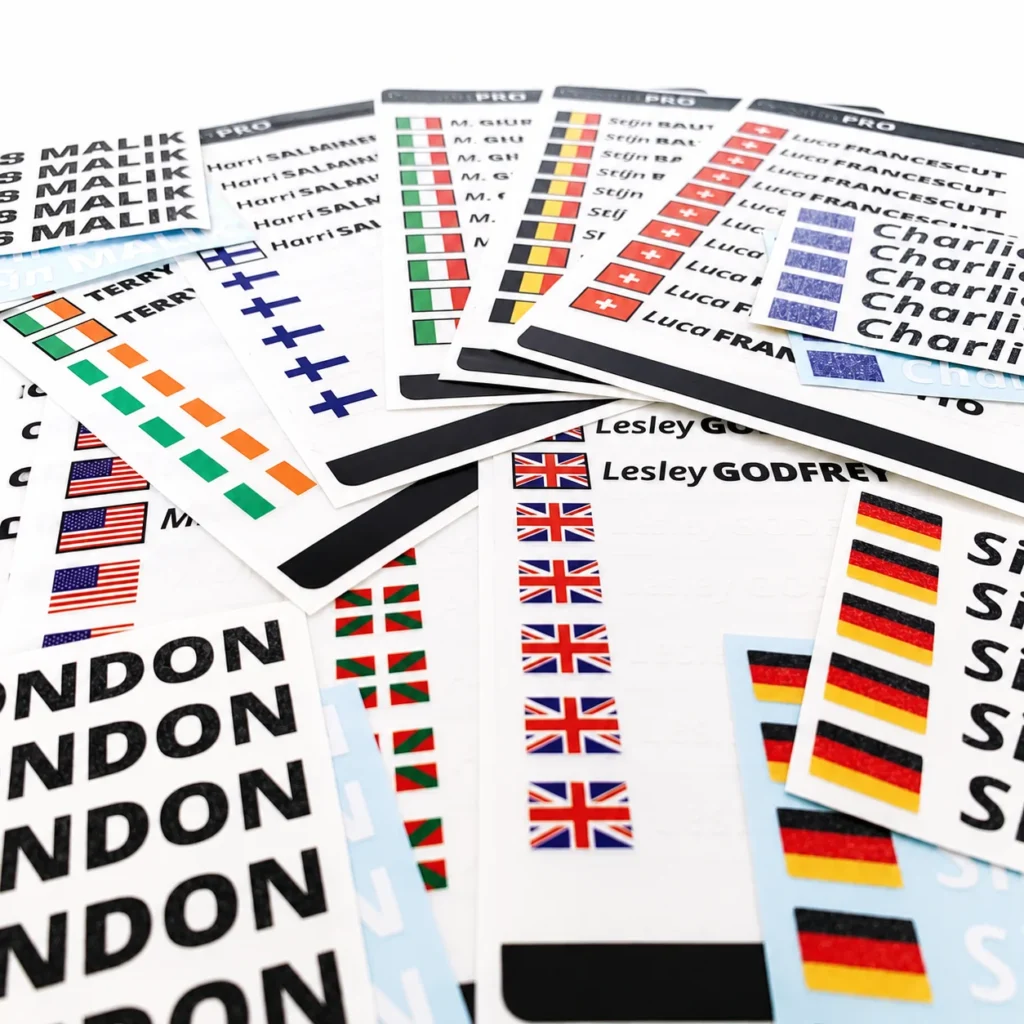
A small personalised name-and-flag sticker on the top tube is one of the simplest ways to give your bike the distinctive rider identity seen on professional race bikes.
Pegatin creates personalised cycling stickers featuring your first name, surname and national or regional flag.
Discover our bike name stickers or learn why professional cyclists put their name and flag on the top tube.
Your Name. Your Flag. On Your Bike.
CREATE YOUR PERSONALISED BIKE NAME STICKERS →
Where to Put Your Name Sticker
The top tube is the classic position.
The objective is a small, clean personalised detail rather than a large decorative graphic.
See our bike frame name and flag sticker guide for more examples.
A helmet can also be personalised when its manufacturer permits adhesive decals on that particular model.
Read our personalised bike helmet sticker guide.
Before installing your stickers, follow our bike sticker application and removal guide.
Tour de Victoria Preparation Checklist
Before travelling to Victoria:
- Choose a route appropriate for your fitness.
- Complete several long training rides.
- Include climbing in your preparation.
- Practise riding safely around other cyclists.
- Have your bike serviced.
- Test ride it after servicing.
- Inspect your brakes.
- Check your tyres.
- Check drivetrain wear and shifting.
- Charge electronic components.
- Prepare puncture-repair equipment.
- Test your nutrition strategy.
- Check your helmet.
- Review the latest official route and rider guidelines.
- Apply your personalised name-and-flag stickers.
Final Preparation for the Tour de Victoria
The Tour de Victoria combines one of Canada’s most attractive cities with a cycling event designed for almost every level of rider.
Choose your distance carefully.
Prepare your bike.
Train consistently.
Practise your nutrition.
And arrive in Victoria ready to enjoy the reason you’ve done all that work in the first place:
A great day on the bike.
Planning more cycling challenges for next season? Explore our best cycling events in 2027 guide to discover gran fondos, sportives and endurance rides around the world.
Your Name. Your Flag. On Your Bike.
CREATE YOUR PERSONALISED BIKE NAME STICKERS →
Personalise your bike for your next event — use code EVENT25 for 25% off
Order well before your ride or event: production and delivery take time. Check the current estimate for your destination.