To prepare your road bike for a sportive, focus on reliability rather than last-minute upgrades. This checklist covers the bike and equipment. Training, pacing and event entry belong to a separate rider-preparation plan.
Use EVENT15 for 15% off.
One week before: inspect the bike
Start with a clean bike so that wear and damage are easier to notice. Look at the frame, fork, wheels and contact points. Check for loose parts, unusual movement or noises. Follow the component manufacturers’ inspection and tightening instructions. If something is damaged or you are unsure, have a qualified mechanic assess it before riding.
Prepare your road bike: tyres, wheels and brakes
Inspect tyres for cuts, wear and embedded debris. Check that wheels are secured correctly and turn without unexpected rubbing. Set pressure for your tyre, rim, load and conditions, within the manufacturers’ limits; there is no universal pressure for every rider. Check brake operation and pad wear. For hydraulic brakes, investigate leaks or a changed lever feel rather than trying an untested repair on event morning.
Test the gears and drivetrain
Check chain condition and wear, then clean and lubricate it using the appropriate product. Shift through the gears on a short ride and listen for skipping or rubbing. Choose gearing you have tested on similar gradients. Give replacement parts time for a proper test ride; do not assume a new component is correctly adjusted.
Keep a familiar, comfortable setup
Check the saddle, handlebar contact points, cleats and bottle cages. Use a riding position you know works over several hours. Avoid experimenting with a new saddle or major fit change just before the event. If your setup causes pain or does not feel secure, resolve that problem with suitable professional help rather than ignoring it.
Pack a repair kit that fits your system
Carry the tools and spares you know how to use: a suitable tube or tubeless repair kit, tyre levers where appropriate, and a compatible pump. Check valve and tube sizes. Follow the event rules for any compressed-gas cartridges. Charge your lights and navigation device if needed, and download the route. Test how everything is carried without obstructing steering or pedalling.
Add your personal finishing detail
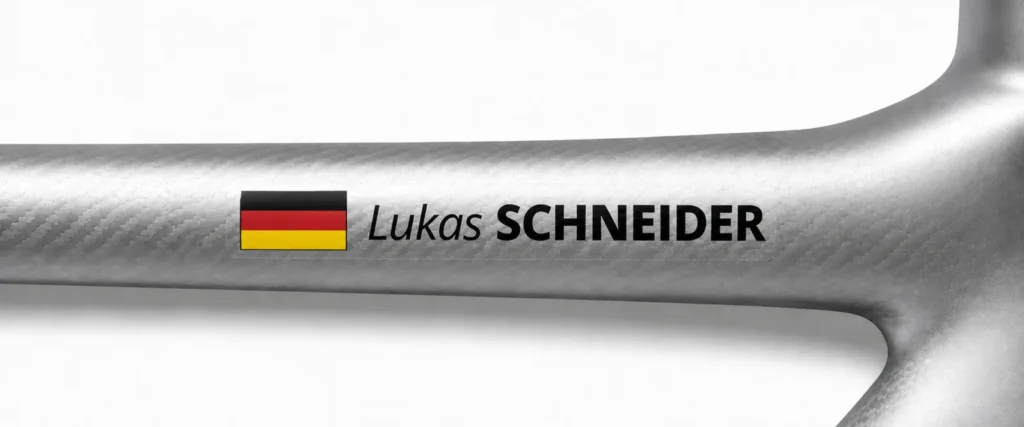
A compact name-and-flag sticker can help you recognise your bike among similar frames. Measure a suitable clear area and follow the finish manufacturer’s advice before application. Keep original labels and moving parts clear. This is personalisation, not a theft-prevention or medical identification system.
Prepare your road bike for the final test ride
Take a short test ride with the equipment you will use. Then check tyre pressure, brakes, shifting, wheel security, bottles and repair kit. Read the organiser’s equipment and road-use requirements for that event and country. If a mechanical problem remains unresolved, get it assessed rather than treating this checklist as a safety certificate.
Road-bike preparation: common questions
Should I change tyres immediately before the event?
Only if replacement is needed, with enough time to check installation and test the bike. A familiar, suitable setup is preferable to an untested last-minute change.
Do I need different equipment in every country?
Requirements depend on the event, road rules and conditions. Check the organiser and relevant local authority; this is a general mechanical checklist, not a statement of national law.
Useful guides for your bike
Use EVENT15 for 15% off.
Order well in advance: production and delivery take time. Check the current estimate for your destination.